
info@reliacarbonfiber.com
Custom Design & Prototyping Tips
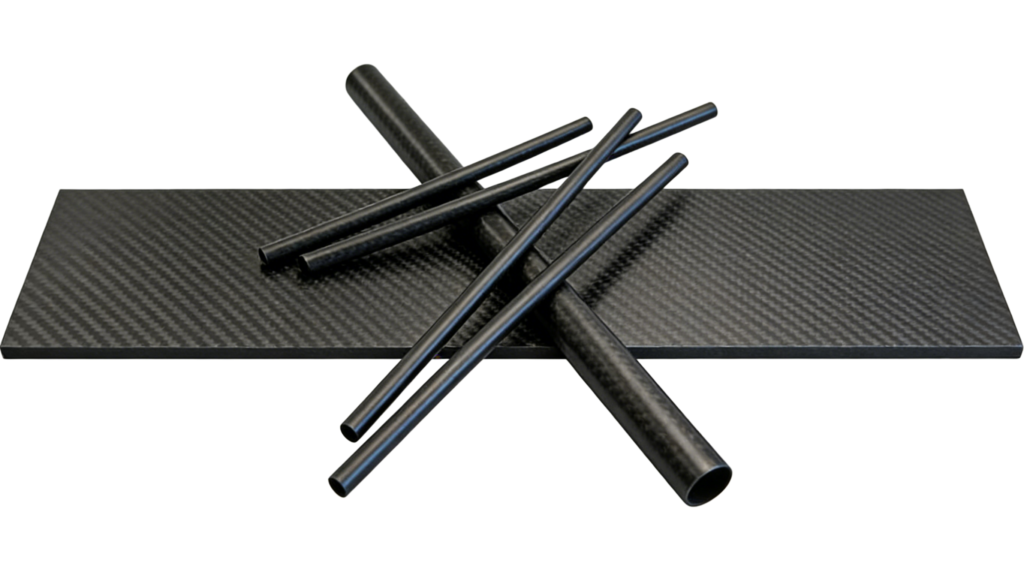
Custom Design & Prototyping Tips
Optimize your carbon fiber rod/tube/plate designs for manufacturability, performance and cost
Design Optimization
- Layup Orientation: Use 0°/90° for axial strength (rods/tubes) or ±45° for torsion resistance
- Dimension Tolerance: Keep critical tolerances ≥0.1mm (avoid over-tight specs that increase cost)
- Edge Design: Add fillets (radius ≥1mm) to prevent delamination in plates/tubes
- Machining Holes: Place holes ≥2x diameter from edges to avoid stress concentration
Prototyping Best Practices
- Start with 1-2 prototypes (avoid over-ordering early stage)
- Provide 3D CAD files (STEP/IGES) for accurate quoting and production
- Test for key performance metrics (tensile strength, straightness, load capacity)
- Communicate volume plans to Relia – we optimize prototypes for mass production scalability
Relia Prototyping Process
1
Design Review
Free engineering review of your CAD files
2
Prototype Production
7-10 business days for standard prototypes
3
Testing & Feedback
Provide test data and design adjustments
4
Final Production
Scale to mass production with validated design
Common Design Mistakes to Avoid
- Designing carbon fiber parts like metal parts (carbon fiber performs best with optimized layup, not just thickness)
- Ignoring machining limitations (small holes <1mm increase production difficulty and cost)
- Overlooking surface finish requirements (specify matte/glossy/sanded upfront to avoid rework)
- Not accounting for thermal expansion (Relia can advise on dimensional stability for high-temp applications)